Dangerous Summer Habits Doctors Want Indians To Stop
Health Experts Warn Against Common Summer Mistakes As Temperatures Rise Across India
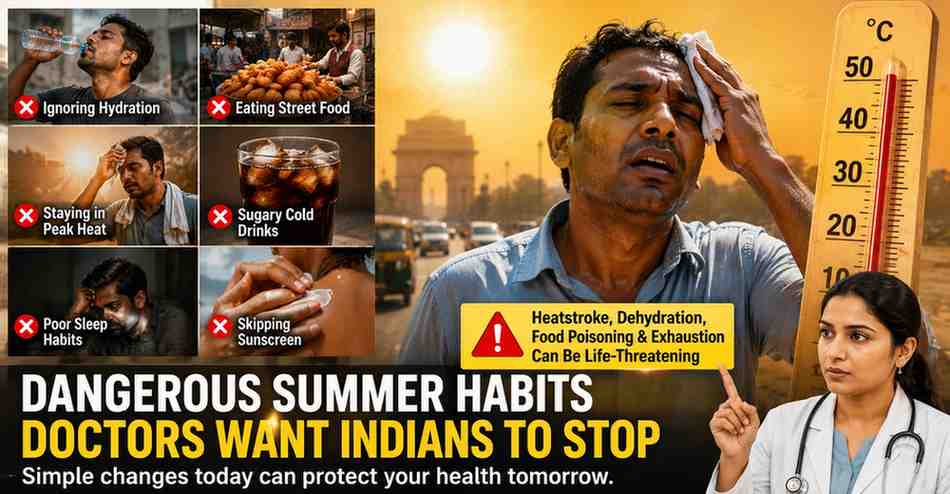
India’s intense summer season is once again triggering serious public health concerns as doctors, hospitals, and health authorities warn citizens about dangerous daily habits that may increase the risk of dehydration, heatstroke, food poisoning, skin damage, exhaustion, and seasonal illness. With temperatures crossing extreme levels in several parts of the country, medical experts say many people unknowingly continue behaviors that can become harmful during prolonged heatwave conditions.
Searches related to “summer health tips,” “heatwave safety,” “dehydration symptoms,” “summer habits to avoid,” and “doctor summer advice” are trending heavily across Google, YouTube, Instagram Reels, and wellness platforms as people look for ways to stay safe during rising temperatures.
Health professionals say Indian summers are becoming increasingly difficult because of climate variability, urban heat buildup, pollution, irregular sleep patterns, and lifestyle habits linked to modern city life.
Here are some of the most dangerous summer habits doctors want Indians to stop immediately.
Ignoring Hydration Until Feeling Thirsty
One of the most common mistakes people make during summer is waiting until they feel thirsty before drinking water.
Doctors explain that thirst is often a late warning sign of dehydration. By the time a person feels extremely thirsty, the body may already be experiencing fluid imbalance.
Common dehydration symptoms include:
- dizziness
- fatigue
- headaches
- dry mouth
- muscle cramps
- low energy
- dark urine
- poor concentration
Medical experts advise drinking water consistently throughout the day, especially for:
- outdoor workers
- students
- elderly individuals
- gym-goers
- delivery personnel
- commuters
- children
Health specialists also recommend limiting excessive sugary drinks and high-caffeine beverages because they may worsen dehydration in some cases.
Skipping Breakfast During Hot Weather
Many people avoid eating properly during summer because of reduced appetite, but doctors warn that skipping breakfast can lower energy levels and increase weakness during high temperatures.
Nutrition experts say the body still requires balanced fuel during heatwave conditions.
Healthy summer breakfast options may include:
- fruits
- curd
- oats
- idli
- poha
- coconut water
- buttermilk
- boiled eggs
- smoothies
Doctors say long gaps between meals can worsen fatigue, acidity, and low blood pressure during extremely hot days.
Consuming Street Food In Extreme Heat
Doctors are also warning people to be more cautious about food hygiene during summer months.
High temperatures increase the risk of:
- bacterial growth
- food spoilage
- stomach infections
- food poisoning
- diarrhea
- vomiting
Street food exposed to direct heat for long periods may become unsafe if hygiene standards are poor.
Medical experts recommend:
- eating freshly prepared meals
- avoiding uncovered food
- checking water quality
- reducing consumption of cut fruits from unknown vendors
- storing cooked food properly
Hospitals often report a sharp rise in gastrointestinal infections during summer.
Staying Outdoors During Peak Afternoon Heat
Health authorities continue advising people to avoid unnecessary outdoor activity during peak heat hours.
Doctors say exposure between late morning and afternoon can significantly increase the risk of:
- heat exhaustion
- heatstroke
- dehydration
- sunburn
- dizziness
- breathing discomfort
Construction workers, traffic police personnel, delivery workers, and street vendors remain among the most vulnerable groups.
Symptoms of heatstroke may include:
- confusion
- rapid heartbeat
- fainting
- nausea
- very high body temperature
- difficulty speaking
Medical experts say heatstroke can become life-threatening if treatment is delayed.
Wearing Dark Or Non-Breathable Clothing
Fashion choices can also affect body temperature regulation during summer.
Doctors recommend avoiding:
- thick synthetic fabrics
- tight clothing
- heavy dark-colored outfits
These materials may trap heat and increase sweating discomfort.
Experts suggest wearing:
- lightweight cotton clothing
- loose-fitting outfits
- breathable fabrics
- light colors
Health professionals say breathable clothing can help reduce skin irritation and overheating.
Excessive Air Conditioner Exposure
While air conditioners provide relief from extreme heat, doctors warn that overdependence on very low temperatures may create additional health issues.
Common problems linked to excessive AC exposure include:
- dry skin
- headaches
- throat irritation
- sinus discomfort
- joint stiffness
- sudden temperature shock
Health specialists advise maintaining moderate indoor cooling rather than extremely cold settings.
Doctors also recommend:
- cleaning AC filters regularly
- improving room ventilation
- taking short breaks from constant cooling
Sudden transitions between extreme outdoor heat and freezing indoor temperatures may stress the body.
Ignoring Sleep Problems During Summer
Summer heat often affects sleep quality, especially in urban areas experiencing high nighttime temperatures.
Poor sleep during summer may contribute to:
- fatigue
- irritability
- low immunity
- poor concentration
- mood imbalance
Doctors say excessive screen time before bed can worsen sleep disruption.
Health experts recommend:
- lighter dinners
- proper hydration
- reduced caffeine intake at night
- cooler sleeping environments
- limiting late-night device use
Sleep specialists say quality rest is essential for helping the body recover from heat stress.
Drinking Too Many Sugary Cold Beverages
Cold drinks remain extremely popular during Indian summers, but doctors warn that excessive sugar-heavy beverages may create additional health concerns.
Popular sugary drinks may contribute to:
- weight gain
- blood sugar imbalance
- dehydration
- fatigue crashes
- digestive discomfort
Nutritionists recommend healthier alternatives such as:
- lemon water
- coconut water
- buttermilk
- fresh fruit juices without excess sugar
- infused water
Experts say electrolyte balance becomes especially important during prolonged heat exposure.
Ignoring Sunscreen And Skin Protection
Dermatologists say many Indians still underestimate the impact of prolonged UV exposure.
Excessive sunlight exposure may increase the risk of:
- tanning
- pigmentation
- premature skin aging
- rashes
- sunburn
- long-term skin damage
Doctors advise:
- using sunscreen regularly
- wearing sunglasses
- using umbrellas or caps
- avoiding direct midday sun exposure
Skin specialists say UV intensity can remain high even on cloudy days.
Overexercising In High Heat
Fitness experts warn against intense outdoor workouts during peak summer afternoons.
Heavy exercise in extreme temperatures may lead to:
- dehydration
- muscle cramps
- overheating
- exhaustion
- fainting
Doctors recommend:
- early morning workouts
- indoor exercise sessions
- shorter outdoor fitness routines
- proper hydration before and after workouts
Athletes and gym-goers are also advised to monitor electrolyte intake carefully.
Ignoring Early Signs Of Heat Exhaustion
Medical professionals say many people delay treatment because they underestimate early symptoms.
Common warning signs include:
- weakness
- heavy sweating
- dizziness
- nausea
- headache
- confusion
- rapid heartbeat
Doctors say immediate cooling and hydration can prevent more serious complications.
Emergency care may become necessary if symptoms worsen.
Using Mobile Phones Excessively Outdoors
Doctors and eye specialists say excessive screen exposure outdoors during summer can increase:
- eye strain
- headaches
- heat discomfort
- mental fatigue
Phone overheating has also become a growing issue during extreme temperatures.
Experts advise limiting unnecessary outdoor screen usage and reducing prolonged exposure to direct sunlight.
Neglecting Elderly Family Members During Heatwaves
Health experts say senior citizens remain among the highest-risk groups during summer.
Elderly individuals may face:
- dehydration
- low blood pressure
- breathing discomfort
- heat exhaustion
- medication-related complications
Doctors recommend checking regularly on:
- hydration levels
- room ventilation
- food intake
- sleep quality
Families are also encouraged to monitor children carefully during extreme weather.
Poor Food Storage Habits
Summer temperatures can quickly spoil food if storage conditions are inadequate.
Doctors warn against:
- leaving cooked food outside for long periods
- consuming expired dairy products
- improper refrigeration
- reheating food repeatedly
Food safety becomes especially important during power cuts and heatwaves.
Experts recommend maintaining kitchen hygiene and safe refrigeration practices.
Excessive Tea And Coffee Consumption
Many people increase caffeine intake to stay active during hot weather, but doctors warn that too much caffeine may worsen dehydration.
Symptoms linked to excessive caffeine may include:
- anxiety
- rapid heartbeat
- disturbed sleep
- dehydration
- headaches
Nutrition experts advise balancing caffeine intake with adequate water consumption.
Heatwaves Are Becoming More Dangerous
Climate experts say Indian summers are becoming increasingly intense because of:
- rising temperatures
- urban heat island effects
- pollution
- changing weather patterns
- reduced green cover
Heatwaves are now affecting:
- healthcare systems
- electricity demand
- workplace productivity
- public transport
- agriculture
Doctors say public awareness around summer health safety is becoming more important every year.
Why Summer Health Content Trends Online
Health and weather-related content performs strongly on Google Discover and social media because it directly affects daily life.
People actively search for:
- heatwave precautions
- summer diet tips
- hydration advice
- skin protection methods
- weather survival hacks
- doctor recommendations
Instagram Reels, YouTube Shorts, and wellness influencers also amplify seasonal health discussions through viral short-form content.
Doctors Urge Prevention Over Treatment
Medical experts emphasize that many summer-related illnesses are preventable through simple daily precautions.
Important doctor recommendations include:
- stay hydrated
- avoid peak afternoon heat
- wear breathable clothing
- maintain food hygiene
- prioritize sleep
- monitor elderly family members
- follow weather alerts
- avoid overexertion
As India continues facing rising temperatures and longer heatwave periods, doctors say awareness, lifestyle discipline, and preventive healthcare may become increasingly important for protecting public health during the summer season.
Key Insights
- Rising temperatures and longer heatwave periods are increasing public health risks across India, especially in densely populated urban regions experiencing extreme heat and poor air circulation.
- Doctors say many common summer illnesses — including dehydration, heat exhaustion, food poisoning, and sleep-related fatigue — are largely preventable through early awareness, hydration, and lifestyle adjustments.
- Vulnerable groups such as children, elderly citizens, outdoor workers, delivery personnel, and people with existing medical conditions face significantly higher risks during prolonged heat exposure.
- Health experts believe climate variability, urban heat island effects, pollution, and reduced green cover are contributing to more intense and unpredictable summer conditions across Indian cities.
- Hospitals and clinics often report spikes in gastrointestinal infections, dehydration cases, skin problems, and heat-related emergencies during peak summer months, increasing pressure on healthcare systems.
- Excessive dependence on sugary beverages, poor sleep routines, overexposure to air conditioning, and unhealthy food storage habits are emerging as common modern lifestyle risks during Indian summers.
- Public health specialists say preventive healthcare awareness is becoming increasingly important as heatwaves begin affecting workplace productivity, electricity demand, public transport systems, and daily routines nationwide.
- Doctors emphasize that hydration management, food hygiene, balanced nutrition, and limiting outdoor activity during peak afternoon heat remain among the most effective ways to reduce summer-related health complications.
- Social media platforms, wellness influencers, and short-form video content are playing a major role in spreading seasonal health advice, summer survival tips, and public awareness around heatwave safety.
- Experts believe India may need stronger long-term heat action plans, urban cooling strategies, public hydration infrastructure, and climate-resilient healthcare preparedness as extreme summer conditions become more frequent.
Last Updated on: Friday, May 22, 2026 3:56 pm by Pushkarini Annabathula | Published by: Pushkarini Annabathula on Friday, May 22, 2026 3:49 pm | News Categories: Latest
About The Author