India–Austria Talks: PM Modi, Chancellor Stocker Emphasise Dialogue, Trade and Technology CooperationLeaders call for peaceful resolution of global conflicts while outlining steps to deepen economic and strategic ties
Prime Minister Narendra Modi on April 16 held bilateral talks with Austrian Chancellor Christian Stocker in New Delhi, where both leaders underlined the need for dialogue and diplomacy to address global conflicts.
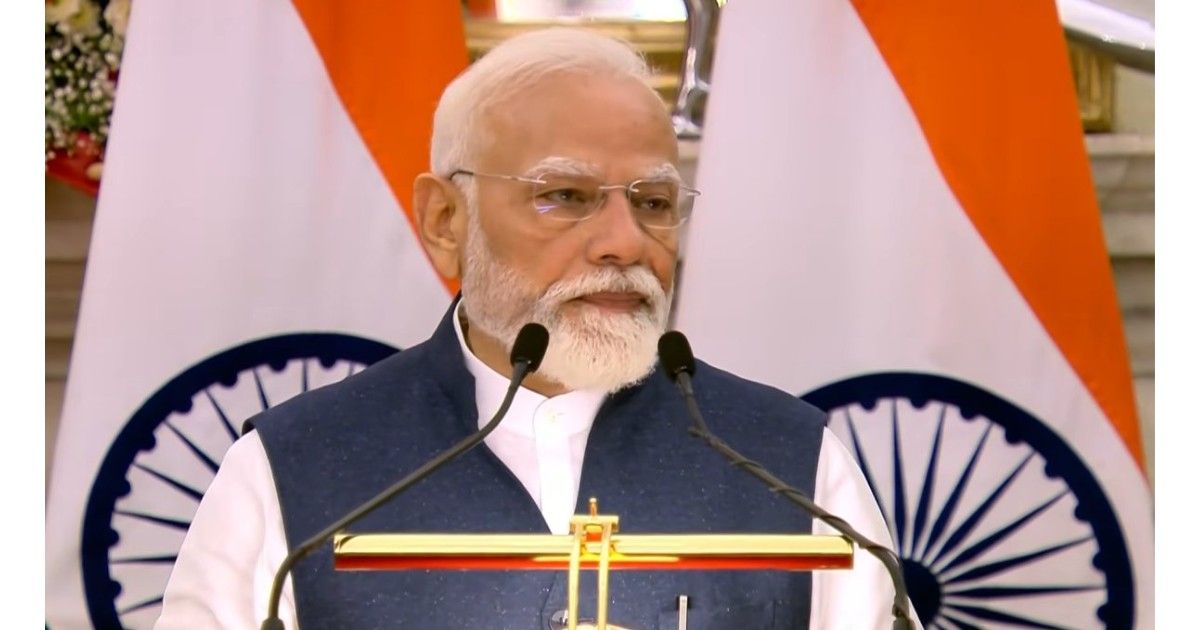
Speaking at a joint press conference at Hyderabad House, Modi said India and Austria share a common position on promoting peace and stability, particularly in regions such as Ukraine and West Asia.
Key Announcements / Highlights
- India and Austria reaffirm commitment to peaceful resolution of global conflicts
- Focus on expanding cooperation in technology, trade, and innovation
- New academic collaboration between IIT Delhi and Montan University
- Plans to strengthen mobility partnerships, including opportunities in the nursing sector
- Launch of an India–Austria Working Holiday Programme
Official Statement
During the joint address, Modi stated that ongoing global tensions are affecting all nations and cannot be resolved through military means. He emphasised that dialogue remains the only sustainable path to peace.
He also reiterated the two countries’ shared stance against terrorism and called for reforms in global institutions to better respond to evolving international challenges.
Chancellor Stocker’s visit, described as the first by an Austrian leader in several decades, was highlighted as a step toward strengthening bilateral engagement.
Context / Background
India and Austria maintain diplomatic relations focused on trade, technology, and cultural exchange. The latest engagement comes amid broader efforts by India to deepen ties with European partners, including through the proposed India–European Union Free Trade Agreement.
Austria has been involved in infrastructure and engineering projects in India, particularly in tunnelling and urban transport. Indian institutions and industries, meanwhile, have been expanding collaborations in research and innovation with European counterparts.
Public Impact
The outcomes of the talks are expected to have implications for multiple sectors. Increased cooperation in semiconductors, quantum technology, and biotechnology could support India’s push for advanced manufacturing and research capacity.
Mobility agreements, particularly in healthcare, may open new employment pathways for Indian professionals. Academic partnerships are also likely to benefit students and researchers through joint programmes and knowledge exchange.
The India–Austria talks signal a renewed push to strengthen bilateral ties across trade, technology, and people-to-people exchanges. With both countries emphasising diplomacy in global affairs, the visit sets the stage for expanded cooperation and deeper engagement in the coming years.
Inputs & Images: Hindusthan Samachar
Edited by: Pushkarini Annabathula
Also Read : CTET RESULT 2026 EXPECTED SOON: CBSE LIKELY TO ANNOUNCE FEBRUARY EXAM RESULTS ON OFFICIAL WEBSITE
Add republicpost.in as preferred source on google – Click Here
Last Updated on: Thursday, April 16, 2026 4:07 pm by Pushkarini Annabathula | Published by: Pushkarini Annabathula on Thursday, April 16, 2026 4:07 pm | News Categories: Latest
About The Author