Navigating Market Cycles: The Strategy Behind Jhamtani’s Consistent Growth
The Indian real estate sector has undergone one of its most transformative decades. From the implementation of RERA and GST to the liquidity crisis, the COVID-19 pandemic, rising input costs and shifting homebuyer aspirations, developers have had to navigate multiple market cycles while adapting to an increasingly regulated and discerning market. Amid these changes, only a handful of developers have demonstrated sustained growth by remaining disciplined in execution while evolving with the market.
Jhamtani is one such example. With a legacy spanning over four decades, the Pune-based developer has steadily built a business that has remained resilient across changing market environments. Today, the company has delivered over 4 million sq. ft., launched 6.4 million sq. ft. of development, has a pipeline of 4.8 million sq. ft., including 2.4 million sq. ft. under construction, and has earned the trust of more than 13,000 happy faces across Pune. Its portfolio comprises 32 projects, with 24 completed and eight currently under development across some of the city’s fastest-growing corridors.
The company’s journey mirrors the broader evolution of India’s residential market. Over the last five years, housing demand has undergone a structural shift rather than a cyclical recovery. According to industry reports, residential sales across India’s top seven cities crossed 4.7 lakh units in 2024, among the highest recorded in the past decade. Premium housing has emerged as the fastest-growing segment, while today’s homebuyers increasingly prioritise lifestyle, connectivity, sustainability and long-term value over speculative investments.
Pune has reflected this transformation strongly. Improved infrastructure, expanding IT corridors, metro connectivity and sustained employment generation have significantly expanded the city’s residential market. Areas such as Baner, Balewadi, Wakad, Tathawade, Hinjawadi and Kharadi have evolved from emerging suburbs into established residential destinations, supported by robust social infrastructure and commercial development. Yet, for developers, sustainable growth has become less about launching more projects and more about executing them consistently amid rising construction costs, evolving regulations and increasing customer expectations.
For Jhamtani, consistency has never been driven by aggressive expansion alone. It has been shaped by a set of enduring principles that guide every business decision. The company’s four core values, Customer Happiness, Better Than Yesterday, Think Long Term, and Positive Impact on Every Life Touched form the foundation of its culture and strategy. These values influence how projects are planned, customers are served, people are developed and communities are nurtured, enabling the company to remain resilient through changing market cycles.
This philosophy is reflected in a measured approach to growth. Rather than pursuing scale for its own sake, Jhamtani has focused on carefully selected micro-markets where long-term infrastructure development supports sustainable demand. This disciplined strategy has allowed the company to grow alongside Pune’s urban expansion while maintaining delivery discipline and customer confidence.
At the leadership level, the emphasis has always been on creating long-term value rather than chasing short-term opportunities. This mindset is reinforced through Kaizen, the company’s continuous improvement initiative built around the belief of becoming Better Than Yesterday. By encouraging teams to constantly refine processes, embrace innovation and strengthen execution, Kaizen has fostered a culture of learning and operational excellence across the organisation.
The same long-term philosophy extends to people development through Rising Stars, an initiative that reflects Jhamtani’s belief in Thinking Long Term. By identifying, mentoring and nurturing future leaders within the organisation, the company continues to invest in building capabilities that will support sustainable growth for years to come.
At the heart of the organisation is its brand promise, “Jhamtani – The Name is the Promise.” This promise is brought to life through initiatives that translate the company’s values into meaningful customer experiences.
One such initiative is Hamesha Aapke Saath (HAS), created around the value of Customer Happiness. Recognising that customer relationships extend far beyond possession, HAS offers structured post-possession support, defined service timelines and responsive assistance that reinforces the company’s commitment throughout the ownership journey. It reflects the belief that handing over the keys is not the end of the relationship, but the beginning of a lifelong association.
Similarly, J-Tribe embodies Jhamtani’s commitment to creating a Positive Impact on Every Life Touched. Through resident engagement programmes, community-building initiatives and shared experiences, J-Tribe aims to foster meaningful connections among homeowners while strengthening the social fabric of every community the company develops.
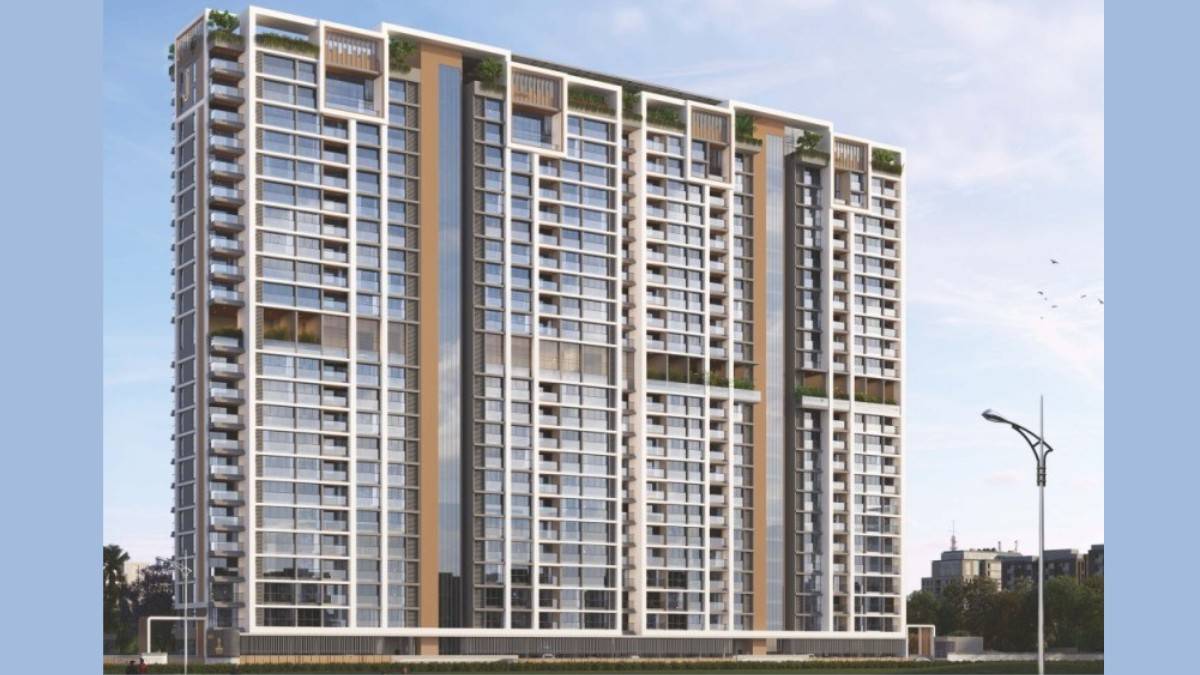
The company’s premium residential philosophy has also evolved alongside changing consumer preferences. Through its XO Signature Series, Jhamtani has introduced design-led developments that emphasise low-density planning, privacy, refined architecture, green integration and location-driven exclusivity. Rather than competing solely on size or price, these developments are designed to deliver enduring lifestyle value for discerning homebuyers.
Another defining characteristic of resilient businesses is their ability to diversify while remaining strategically aligned. Over the years, Jhamtani has expanded into complementary verticals that strengthen its overall ecosystem. Jhamtani CeraKraft, its lifestyle and interiors business, offers curated solutions across tiles, sanitaryware, lighting and wellness products through partnerships with more than 30 brands and has served over 50,000 customers. At the same time, Jhamtani Prosumers Solar has entered the renewable energy sector, successfully executing a 5 MWp rooftop solar project for Pune Metro Rail under the RESCO model, reflecting the group’s growing capabilities beyond conventional real estate.
Looking ahead, India’s housing market is expected to remain fundamentally strong, supported by urbanisation, infrastructure investments, rising household incomes and increasing aspirations for homeownership. While market cycles will continue to influence buying sentiment in the short term, developers with disciplined execution, long-term thinking and customer-centric cultures are likely to remain resilient.
For Jhamtani, consistency has never meant standing still. It has meant striving to become better than yesterday, investing in the future, building enduring customer relationships and creating a positive impact on every life it touches. Guided by these principles, the company continues to build not just homes, but enduring trust, contributing meaningfully to Pune’s next phase of urban growth.
Last Updated on: Thursday, August 6, 2026 11:15 am by Prachi Chadha | Published by: Prachi Chadha on Monday, August 3, 2026 1:53 pm | News Categories: Brand Post
About The Author