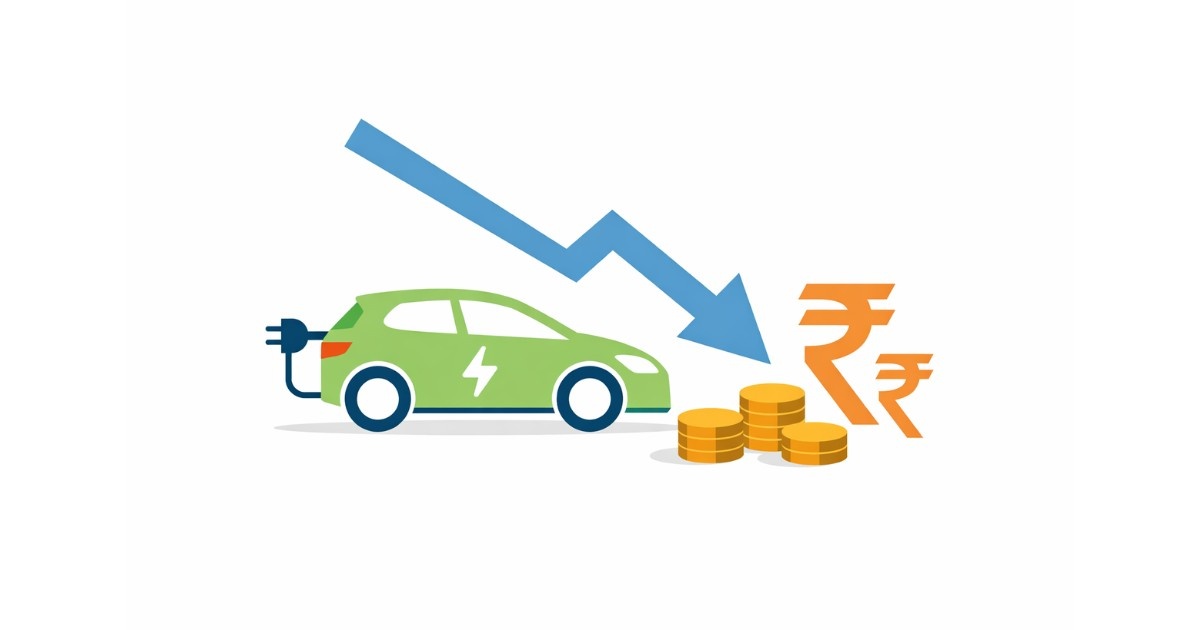
8 Powerful Shifts in 2026: Electric Vehicle Price Trends in India and the Latest EV Incentives Explained
Electric vehicle (EV) prices in India are changing fast in 2026. Buyers are closely watching battery costs, government incentives, and new model launches before making a purchase decision.
With fuel prices staying high and charging networks expanding, many Indian families are now comparing electric cars and scooters with petrol and diesel vehicles.
This year is important because subsidy policies are evolving and more affordable models are entering the market.
Here is a detailed look at electric vehicle price trends in India, current EV costs, and available incentives in 2026.
Why EV Price Trends Matter in 2026
Electric Vehicle mobility is no longer limited to premium buyers.
In the past few years, India has seen:
- Rapid growth in electric two-wheelers
- Strong interest in compact electric cars
- Expansion of charging infrastructure
- State-level EV policies
However, price remains the biggest factor for most buyers.
Understanding the latest EV price trends helps consumers decide whether to buy now or wait.
Current Electric Car Price Range in India (2026)
In 2026, electric cars in India are available across different price brackets.
Entry-Level EVs
Affordable electric cars now start around ₹8 lakh to ₹12 lakh (ex-showroom), depending on the model and battery size.
Examples include:
- Tata Tiago EV
- MG Comet EV
These cars are mainly targeted at city users.
Mid-Range EVs
The mid-segment ranges between ₹13 lakh and ₹20 lakh.
Popular options include:
- Tata Nexon EV
- Mahindra XUV400
These models offer better range and stronger performance.
Premium EVs
Premium electric SUVs and sedans are priced above ₹25 lakh, depending on features and battery capacity.
This segment is still smaller but growing steadily.
Electric Two-Wheeler Prices in 2026
Electric scooters remain the most popular EV category in India.
Prices typically range between ₹80,000 and ₹1.5 lakh (ex-showroom).
Leading models include:
- Ola S1
- Ather 450X
Battery size, charging speed, and smart features affect pricing.
Two-wheelers continue to benefit from state-level subsidies in many regions.
Key Factors Influencing EV Prices in India
1. Battery Costs
Battery packs account for a large portion of EV pricing.
In recent years:
- Lithium prices have shown fluctuations
- Local battery manufacturing has increased
- Government incentives for cell production have expanded
As domestic production grows, long-term prices may stabilise.
2. Government Incentives and Policies
The Government of India has supported electric mobility through policy schemes such as:
- FAME II
While subsidy structures have evolved over time, incentives still play a role in reducing upfront costs.
State governments also offer:
- Road tax exemptions
- Registration fee waivers
- Purchase incentives
However, buyers should check official state portals for the latest details before purchase.
3. Charging Infrastructure Expansion
More public charging stations are being installed across metro cities and highways.
Better charging access increases demand, which impacts pricing strategies.
Private home charging setups also add to initial ownership cost.
4. Competition Among Automakers
Competition is one of the biggest reasons prices are becoming more competitive.
Companies such as:
- Tata Motors
- Mahindra & Mahindra
- MG Motor India
are expanding their EV portfolios.
New launches increase consumer options and put pressure on pricing.
Have EV Prices Increased or Decreased in 2026?
The trend is mixed.
Where Prices Have Stabilised
- Entry-level EVs are seeing more stable pricing
- Discounts and festive offers remain common
Where Prices Have Increased
- Models with larger battery packs
- Vehicles with imported components
- Premium EVs with advanced features
Overall, price differences are narrower than they were a few years ago.
EV Running Costs vs Petrol Cars
Many buyers now compare total ownership cost instead of just ex-showroom price.
Electric vehicles generally offer:
- Lower per-kilometre running cost
- Reduced maintenance needs
- No engine oil expenses
However, battery replacement cost remains a long-term factor to consider.
Most manufacturers offer battery warranties ranging between 3 to 8 years, depending on the brand.
State-Level Incentives in 2026
Several Indian states continue to promote electric vehicles through policy support.
Benefits may include:
- Purchase subsidies
- Charging infrastructure support
- Commercial EV incentives
- Fleet transition programs
However, policies differ by state and may change during the year.
Buyers should always verify details with official transport department websites.
Are EV Loans Becoming More Affordable?
Banks and NBFCs are offering competitive loan options for EV buyers.
Some lenders offer:
- Lower interest rates for electric vehicles
- Green vehicle loan programs
- Faster processing
This has helped make EV ownership easier for middle-income buyers.
Used EV Market in India
The pre-owned EV market is slowly developing.
Buyers considering used electric vehicles should check:
- Battery health
- Warranty status
- Charging history
This segment is expected to grow as first-generation EV owners upgrade.
Challenges Still Affecting EV Pricing
Despite progress, some challenges remain:
- Charging gaps in smaller towns
- Battery raw material dependency
- Higher upfront cost compared to entry petrol cars
The government and industry are working to address these gaps.
What Experts Expect for the Rest of 2026
Industry observers expect:
- Gradual increase in domestic battery production
- More compact EV launches
- Improved charging networks
- Better financing options
If battery costs decline further, entry-level EV prices could become more competitive.
Should You Buy an EV in 2026?
The answer depends on usage.
EVs make strong sense for:
- Daily city commuters
- Fleet operators
- Short-distance drivers
Petrol or hybrid options may still suit buyers who travel long distances regularly in areas with limited charging stations.
Conclusion: A Transformative Year for EV Prices in India
Electric vehicle price trends in India in 2026 show a market that is maturing.
While entry-level options are becoming more accessible, premium models remain costly.
Government incentives, state policies, and competition among manufacturers continue to shape pricing.
For Indian buyers, the key is to compare:
- Upfront price
- Incentives available
- Charging access
- Long-term savings
The electric vehicle market is evolving quickly. With more choices and better infrastructure, EV adoption is likely to grow steadily through the rest of the year.
Also Read : SUV Accident in Dwarka on 19 February 2026: Key Investigation Updates and Road Safety Lessons
Add republicpost.in as preferred source on google – Click Here
Last Updated on: Wednesday, February 25, 2026 3:18 pm by Republic Post Team | Published by: Republic Post Team on Friday, February 20, 2026 8:55 pm | News Categories: News
About The Author