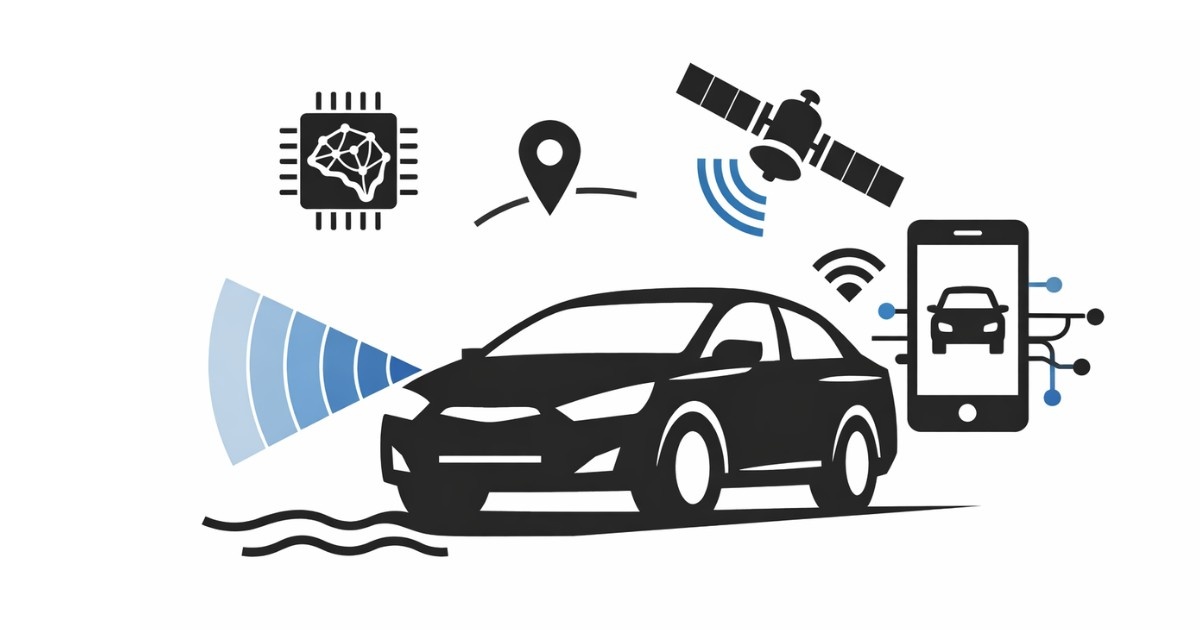
Auto Tech Spotlight 2026: How AI-Driven Safety and Smart Connectivity Are Transforming New Cars in India
India’s automobile market is changing fast. Buyers are no longer focused only on mileage and engine power. Safety, smart features, and connectivity now influence purchase decisions.
In 2026, artificial intelligence (AI) is at the centre of this transformation. New vehicles are coming equipped with advanced driver assistance systems, real-time connectivity, and intelligent monitoring features.
For Indian roads, where traffic density is high and driving conditions vary, AI-driven safety tools can make a real difference.
This shift is not limited to luxury cars. Mid-range and even entry-level models are now integrating smart safety features.
What Is AI-Driven Safety in Cars?
AI-driven safety uses cameras, sensors, and software to help drivers avoid accidents.
These systems do not replace drivers. They assist them.
Common AI-based safety features include:
- Automatic emergency braking
- Lane departure warning
- Adaptive cruise control
- Blind spot detection
- Driver attention monitoring
Together, these features are often grouped under ADAS (Advanced Driver Assistance Systems).
ADAS Becomes Mainstream in India
From Premium to Mass Market
Until a few years ago, ADAS was limited to high-end vehicles.
In 2026, more Indian carmakers are offering these features in mid-segment models.
Manufacturers such as Tata Motors, Mahindra & Mahindra, and Hyundai Motor India are expanding AI-based safety across their line-ups.
This reflects growing consumer awareness about road safety.
Why It Matters for Indian Roads
India records a high number of road accidents every year. Driver fatigue, overspeeding, and poor visibility are common causes.
AI tools can:
- Alert distracted drivers
- Apply brakes automatically in emergencies
- Maintain safe distance from other vehicles
These systems reduce risk, especially on highways.
360-Degree Cameras and Smart Parking Assist
Urban traffic congestion makes parking difficult.
New vehicles now offer:
- 360-degree surround cameras
- Automatic parking assist
- Proximity sensors
These tools use AI to detect obstacles and guide steering.
For city drivers in metros like Mumbai, Delhi, and Bengaluru, such features improve convenience and safety.
Connected Cars: The Rise of Smart Mobility
AI is not limited to safety. Connectivity is another major trend.
Connected cars use the internet to offer real-time updates and remote access.
Key Connected Features in 2026
- Live traffic updates
- Over-the-air software updates
- Remote engine start via mobile apps
- Vehicle tracking
- Emergency assistance calls
Car brands like Maruti Suzuki and Kia India now provide integrated mobile apps linked to their vehicles.
This turns cars into smart devices on wheels.
AI Voice Assistants Inside Vehicles
Many new models now include voice control powered by AI.
Drivers can:
- Adjust temperature
- Change music
- Navigate routes
- Make calls
Voice commands reduce distraction because drivers keep their hands on the steering wheel.
Some systems support Indian accents and regional languages, improving usability.
Electric Vehicles and AI Integration
Electric vehicles (EVs) rely heavily on software systems.
Brands like MG Motor India and BYD India are integrating AI to manage:
- Battery health
- Charging optimisation
- Range prediction
AI calculates driving patterns and suggests efficient routes.
This helps reduce range anxiety, which remains a key concern for EV buyers.
On-Road Tech Trends Shaping 2026
1. Real-Time Data Monitoring
Cars now collect data on:
- Speed
- Fuel efficiency
- Driving behaviour
This data helps improve performance and safety.
Fleet operators also use AI dashboards to monitor commercial vehicles.
2. Over-the-Air (OTA) Updates
Software updates no longer require dealership visits.
Manufacturers push updates remotely.
This improves system performance and adds new features.
3. Driver Monitoring Systems
Cameras inside the cabin track eye movement and alertness.
If the driver appears drowsy, the system issues a warning.
This is especially useful for long-distance highway travel.
Affordability: Are Smart Cars Expensive?
AI features increase vehicle cost, but competition is lowering prices.
Mid-segment SUVs and sedans now offer ADAS features at competitive price points compared to earlier years.
Buyers are willing to pay extra for:
- Safety assurance
- Digital convenience
- Long-term software upgrades
Car financing schemes and subscription models also make tech-heavy vehicles more accessible.
Challenges in AI-Driven Vehicles
Despite progress, some concerns remain.
1. Sensor Accuracy in Indian Conditions
Heavy rain, dust, and poor road markings can affect sensor performance.
Manufacturers are adapting systems to Indian environments.
2. Over-Reliance on Technology
Drivers must remember that AI assists but does not replace human judgment.
Misuse of adaptive cruise control or lane assist can create risks.
3. Data Privacy Concerns
Connected cars collect data.
Clear data protection policies are important to maintain user trust.
Government Regulations and Safety Push
India has been strengthening vehicle safety norms.
Mandatory safety standards now include:
- Airbags
- ABS (Anti-lock Braking System)
- Reverse parking sensors
As awareness grows, regulators may encourage wider ADAS adoption in the future.
Global safety ratings also influence Indian consumers.
Future Outlook: What to Expect by 2030
Industry trends suggest further growth in:
- Semi-autonomous driving systems
- AI-based traffic communication
- Vehicle-to-vehicle connectivity
- Smart infrastructure integration
Self-driving cars are still under testing globally. However, gradual automation will continue.
India may see advanced pilot programs in controlled environments before full adoption.
Impact on Insurance and Ownership Models
AI-driven safety may influence:
- Lower insurance premiums for safer cars
- Usage-based insurance models
- Predictive maintenance alerts
Smart diagnostics can detect issues before breakdowns.
This reduces long-term ownership costs.
What Indian Buyers Should Look For
When purchasing a new vehicle in 2026, buyers should evaluate:
- Level of ADAS features
- Sensor coverage (front, rear, side)
- Connectivity app reliability
- Software update support
- Warranty on tech components
Safety ratings and real-world reviews remain important.
The Bigger Shift: Cars as Software Platforms
Vehicles are evolving into digital platforms.
Just like smartphones, cars now rely on:
- Software updates
- AI algorithms
- Cloud connectivity
Manufacturers are investing more in software teams than ever before.
This marks a major change in the auto industry.
Smarter Cars for Safer Roads
AI-driven safety and connectivity are no longer futuristic concepts. They are active features in many new vehicles sold in India today.
From automatic braking to real-time traffic updates, smart technology is improving the driving experience.
For Indian buyers, the focus has shifted from horsepower alone to intelligent protection and convenience.
The future of mobility in India is not just electric. It is intelligent, connected, and data-driven.
As 2026 progresses, AI-powered vehicles will likely become the new normal on Indian roads — shaping safer journeys and smarter cities.
Edited by: Pushkarini Annabathula
Also Read : DIGITAL FOOTBALL LEAGUES ATTRACT FRESH INVESTMENT IN 2026: WHAT THE ESPORTS BOOM MEANS FOR INDIAN SPORTS FANS
Add republicpost.in as preferred source on google – Click Here
Last Updated on: Wednesday, February 25, 2026 4:51 pm by Republic Post Team | Published by: Republic Post Team on Wednesday, February 25, 2026 4:51 pm | News Categories: News
About The Author