Rongali Bihu Celebrations Begin Across Assam as Festive Preparations Peak
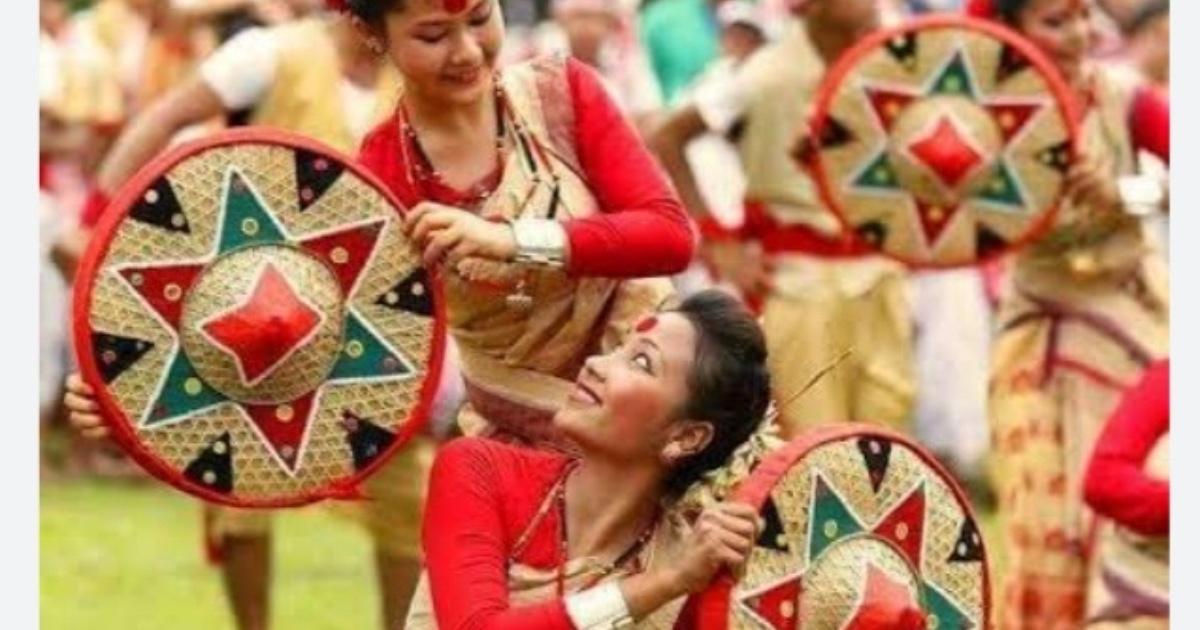
Festive celebrations have gathered momentum across Assam as preparations for Rongali Bihu, the state’s most prominent cultural festival, enter their final phase. The celebrations coincide with the beginning of the Assamese New Year and the arrival of Bohag (Baisakh) month on April 14.
Key Announcements / Highlights
Markets and public spaces across the state have seen increased activity, with people purchasing traditional attire such as gamosa and other customary garments ahead of the celebrations. Community stages, known as bihutolis, are being set up in towns and villages to host cultural programmes.
The festival’s opening phase will be followed by Goru Bihu, scheduled for April 15, when rituals centred around cattle—an essential part of Assam’s agrarian life—will take place.
Festival Traditions and Rituals
Goru Bihu marks a key ritual day where cattle are bathed in rivers or ponds and symbolically cleansed using turmeric and other natural ingredients. These practices are rooted in traditional beliefs associated with prosperity and agricultural well-being. In the evening, livestock are tied with new ropes made from natural fibres as part of customary observances.
The following day, Manuh Bihu is celebrated, during which people seek blessings from elders and exchange traditional items like gamosa, reinforcing social bonds within communities.
Cultural Significance
Rongali Bihu is closely linked to the agricultural calendar, marking the onset of the sowing season. Traditional music and dance, performed using instruments such as the dhol, pepa, and gagana, are central to the celebrations. Youth participation remains a defining feature, with performances taking place in open fields and community spaces.
Another enduring tradition is Husori, where groups visit households to perform Bihu songs and dances, reflecting collective celebration and cultural continuity.
Context / Background
Rongali Bihu, also known as Bohag Bihu, is one of three Bihu festivals observed annually in Assam, each tied to different phases of the agricultural cycle. Among them, Rongali Bihu is the most widely celebrated due to its association with renewal, harvest preparation, and the New Year.
While modern stage performances and organised events have become more common in recent years, the festival continues to retain its traditional practices, especially in rural areas.
Public Impact
The festival plays a significant role in sustaining Assam’s cultural identity and supporting local economies. Artisans, weavers, and small traders benefit from increased demand for traditional clothing and festive items. Community events also encourage social cohesion, bringing together people across age groups and backgrounds.
As Rongali Bihu begins, communities across Assam are embracing the festival with a mix of traditional rituals and contemporary celebrations. With Goru Bihu and subsequent observances lined up, the coming days are expected to see widespread participation, reflecting the enduring cultural significance of the festival in the state.
Inputs & Images: Hindusthan Samachar
Edited by: Pushkarini AnnabathulaAlso Read : CTET RESULT 2026 EXPECTED SOON: CBSE LIKELY TO ANNOUNCE FEBRUARY EXAM RESULTS ON OFFICIAL WEBSITEAdd republicpost.in as preferred source on google – Click Here
Last Updated on: Sunday, April 12, 2026 8:17 am by Pushkarini Annabathula | Published by: Pushkarini Annabathula on Sunday, April 12, 2026 8:17 am | News Categories: Latest
About The Author