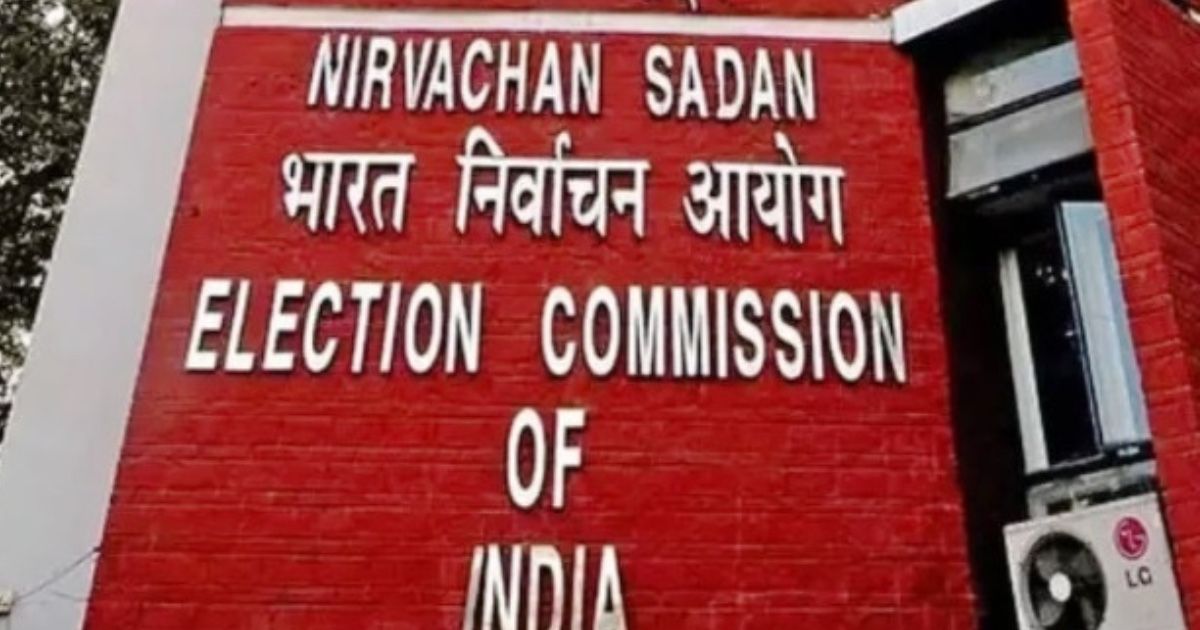
Election Commission Directs Paid Holiday for Voters on Polling Days Across States
The Election Commission of India has instructed all employers to provide a paid holiday to employees on polling days during the upcoming 2026 state assembly elections and by-elections. The directive aims to ensure that eligible voters can cast their ballots without facing financial or workplace constraints.
Key Announcements / Highlights
- Paid holiday mandated for all eligible voters on polling days
- Applies to employees across private and public sectors
- No wage deductions allowed, including for daily wage and casual workers
- Employers must ensure compliance or face legal penalties
- Provision extends to outstation workers
Polling Schedule
Voting for the assembly elections will be conducted in phases across multiple states:
- April 9: Assam, Kerala, Puducherry, Goa, Karnataka, Nagaland, Tripura
- April 23: Tamil Nadu, Gujarat, Maharashtra
- April 23 and 29: West Bengal (two phases)
Legal Backing
The directive is grounded in Section 135B of the Representation of the People Act, 1951, which guarantees every registered voter the right to a paid holiday on polling day.
Under this provision, employers who fail to comply may face penalties. The rule applies to all establishments, including businesses, factories, and commercial enterprises.
Official Statement
According to the Commission, the measure is intended to remove barriers that might prevent individuals from exercising their democratic right. Authorities have emphasised that the responsibility lies with both employers and state administrations to ensure that workers are not denied this entitlement.
Context / Background
India’s electoral system relies heavily on voter participation to maintain the legitimacy of democratic outcomes. However, work-related obligations—particularly for daily wage earners—have historically limited turnout in some regions.
The paid holiday provision was introduced to address this gap, ensuring that economic concerns do not discourage citizens from voting.
Public Impact
The directive is expected to benefit millions of workers, especially those in informal or low-income jobs, by safeguarding their wages while allowing them time to vote.
It also reinforces efforts to improve voter turnout, which is a key indicator of democratic engagement.
With polling dates approaching, authorities have urged employers to strictly follow the guidelines. The Election Commission has indicated that enforcement mechanisms will be in place to ensure compliance, as part of broader efforts to facilitate free and fair elections.
Inputs & Images: Hindusthan Samachar
Edited by: Pushkarini Annabathula
Also Read : CTET RESULT 2026 EXPECTED SOON: CBSE LIKELY TO ANNOUNCE FEBRUARY EXAM RESULTS ON OFFICIAL WEBSITE
Add republicpost.in as preferred source on google – Click Here
Last Updated on: Friday, April 3, 2026 3:25 pm by Pushkarini Annabathula | Published by: Pushkarini Annabathula on Friday, April 3, 2026 3:25 pm | News Categories: Latest
About The Author