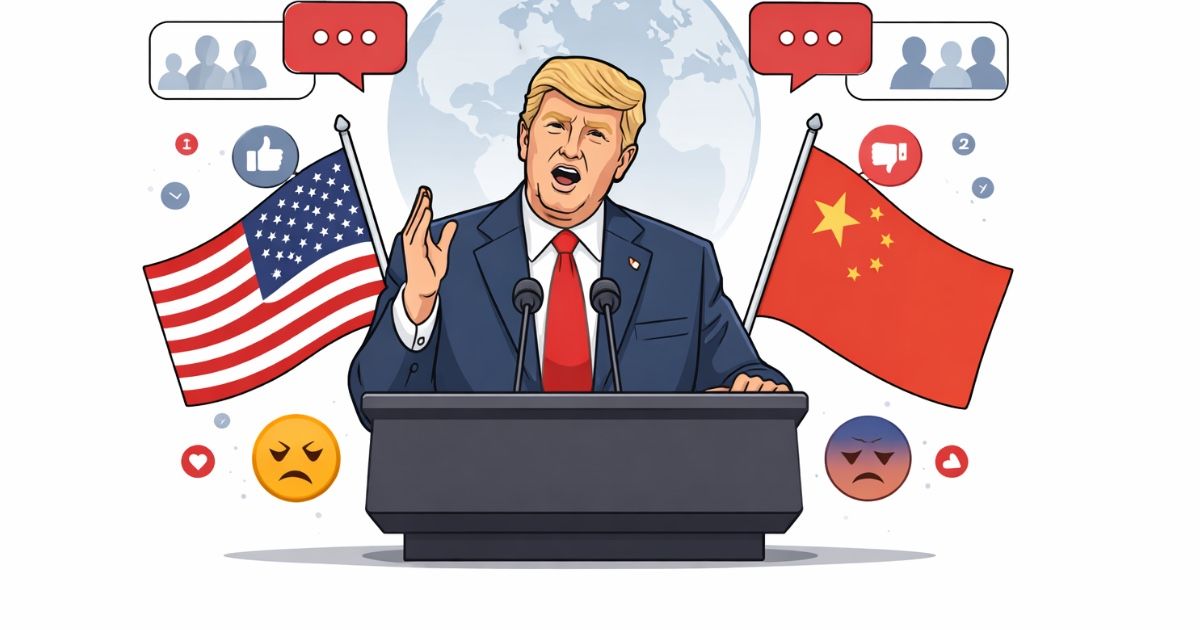
State of the Union 2026: 7 Powerful Moments That Sparked Intense Global Debate
The latest State of the Union (SOTU) address by Donald Trump has triggered intense debate across global social media platforms, policy forums, and diplomatic circles.
The speech, delivered before the United States Congress, focused on foreign policy priorities, trade relations, security strategy, and America’s global role.
Within hours, hashtags related to the address began trending worldwide. Political commentators, analysts, and citizens from Asia to Europe weighed in on what the remarks could mean for global geopolitics.
For India and other emerging economies, understanding the global reaction matters. The United States remains a major strategic and economic partner for many nations.
Here is a detailed breakdown of what triggered the online surge and how global sentiment is shaping up.
Key Themes from the State of the Union Address
While domestic policy formed part of the speech, international relations took center stage.
Major areas mentioned included:
- Trade policy adjustments
- Strategic competition with global powers
- Defense spending priorities
- Border security
- Diplomatic positioning in key regions
Observers noted that foreign policy remarks were framed in strong and direct language.
Such tone often fuels debate beyond American borders.
Why the Speech Went Viral Globally
1. Strong Language on Global Alliances
Trump’s references to alliances and burden-sharing sparked discussion in:
- Europe
- East Asia
- Middle East
Social media users debated whether the remarks signaled continuity or change in US foreign policy.
Allied nations closely track such signals, as they affect defense and trade cooperation.
2. Trade and Economic Messaging
Global markets react quickly to trade-related statements.
Mentions of tariffs, supply chains, or economic protection can impact:
- Stock markets
- Commodity prices
- Currency movements
Online finance communities began analysing possible effects within minutes of the speech ending.
For countries like India, US trade policy has direct consequences for exports and IT services.
3. Security and Defense Commitments
Comments on defense spending and military positioning often carry weight in geopolitics.
Security experts debated whether the tone suggested:
- Expansion of commitments
- Retrenchment from certain regions
- Tougher negotiations with partners
The discussion quickly moved from political commentary to strategic analysis forums.
Global Online Sentiment: A Divided Reaction
Supportive Voices
Supporters argued that the speech reflected:
- Clear national interest priorities
- Strong negotiating stance
- Focus on economic security
In several countries, conservative political groups praised the messaging.
Online engagement from these communities was high, with clips and excerpts widely shared.
Critical Responses
Critics raised concerns about:
- Diplomatic stability
- Trade uncertainty
- Impact on multilateral cooperation
International commentators warned that abrupt policy changes could disrupt established alliances.
Opinion pieces from global media outlets reflected this divide.
India’s Strategic Lens: Why It Matters
India maintains strong ties with the United States in areas such as:
- Defense cooperation
- Technology partnerships
- Trade and investment
- Indo-Pacific strategy
Any shift in US foreign policy direction affects India’s planning.
Indian analysts focused on:
- Regional security references
- Indo-Pacific mentions
- Trade language impacting IT and pharma sectors
Online debate in India centered on whether the speech signaled stronger strategic alignment or tougher economic negotiations.
Impact on Global Markets
Although markets often react to detailed policy announcements rather than speeches alone, tone matters.
Within 24 hours of the address:
- Market analysts tracked volatility in global indices
- Currency traders discussed possible dollar movement
- Commodity watchers examined oil price sensitivity
Even when no immediate policy action follows, investor psychology can shift.
Online financial forums amplified speculation.
Social Media as a Geopolitical Barometer
In 2026, political speeches no longer remain within national borders.
Short clips from the address circulated on:
- Microblogging platforms
- Video-sharing apps
- International news channels
Political influencers and policy experts provided live analysis.
Algorithms helped the speech trend globally within hours.
This reflects how digital platforms now shape geopolitical perception.
Diplomatic Circles: Measured Responses
Official diplomatic statements from foreign governments tend to remain cautious.
Governments usually wait for:
- Policy documents
- Executive orders
- Trade proposals
However, think tanks and policy institutes released early commentary.
These expert views often shape long-term public opinion.
Comparisons With Previous SOTU Addresses
Observers compared the tone and content to earlier speeches by Trump during his previous presidency.
Some analysts pointed out similarities in:
- Emphasis on national interest
- Trade negotiation stance
- Direct messaging style
Others noted contextual differences based on current global challenges.
Online political forums debated whether this speech marked a policy shift or rhetorical continuity.
Global Geopolitical Flashpoints Under Discussion
Several sensitive regions were widely discussed after the address:
- Eastern Europe
- Middle East
- Indo-Pacific
Commentators examined whether the speech indicated new approaches toward these areas.
Geopolitical experts highlighted that words in such addresses often signal future diplomatic direction.
Why Online Debate Is Louder Than Ever
Three main factors explain the intensity of reaction:
1. Polarised Global Politics
Political landscapes in many countries are divided.
Statements from US leaders often reinforce existing global political narratives.
2. Real-Time Media Ecosystem
In earlier decades, analysis took days.
Today, within minutes:
- Clips circulate
- Commentary spreads
- Opinion threads grow
This rapid cycle increases emotional reactions.
3. Economic Uncertainty Worldwide
Global economic conditions remain fragile in 2026.
Inflation concerns, supply chain shifts, and regional conflicts make investors sensitive to policy signals.
Any strong rhetoric around trade or defense triggers strong reactions.
What Happens Next?
Speeches alone do not change foreign policy.
The key factors to watch include:
- Executive orders
- Trade negotiations
- Defense budget proposals
- Diplomatic visits
Markets and governments will respond more to concrete steps than rhetoric.
However, rhetoric sets expectations.
Expectations shape sentiment.
Sentiment influences markets and public opinion.
Long-Term Implications for Global Relations
If policy actions align with the speech tone, possible outcomes could include:
- Tougher trade negotiations
- Stronger focus on bilateral deals
- Increased strategic competition
- Recalibrated alliance structures
If not, the debate may fade as routine political messaging.
Much depends on follow-up actions.
For Indian Readers: Key Takeaways
✔ Monitor US trade policy updates
✔ Watch Indo-Pacific security developments
✔ Track currency and market shifts
✔ Observe diplomatic engagement patterns
India’s economic and security interests are closely linked with US policy direction.
Understanding these signals helps businesses, investors, and policymakers prepare.
Speech, Signal, and Sentiment
The latest State of the Union address by Donald Trump has shown how political messaging can ignite global digital debate.
In 2026, geopolitics unfolds not only in diplomatic meetings but also across social media feeds.
The immediate reaction reflects:
- Strong political divides
- High economic sensitivity
- Rapid information spread
Whether the speech marks a turning point in global relations depends on policy action in the weeks ahead.
For now, it has achieved one clear outcome:
It has placed US foreign policy back at the center of global online conversation.
In a hyper-connected world, every major speech becomes a global event — and its ripple effects travel faster than ever before.
Edited by: Pushkarini Annabathula
Also Read :TECH JOB TRENDS 2026: WHY GLOBAL AI BURNOUT AND RESKILLING CONVERSATIONS ARE SURGING ONLINE
Add republicpost.in as preferred source on google – Click Here
Last Updated on: Thursday, February 26, 2026 3:59 pm by Republic Post Team | Published by: Republic Post Team on Thursday, February 26, 2026 3:59 pm | News Categories: Trending
About The Author