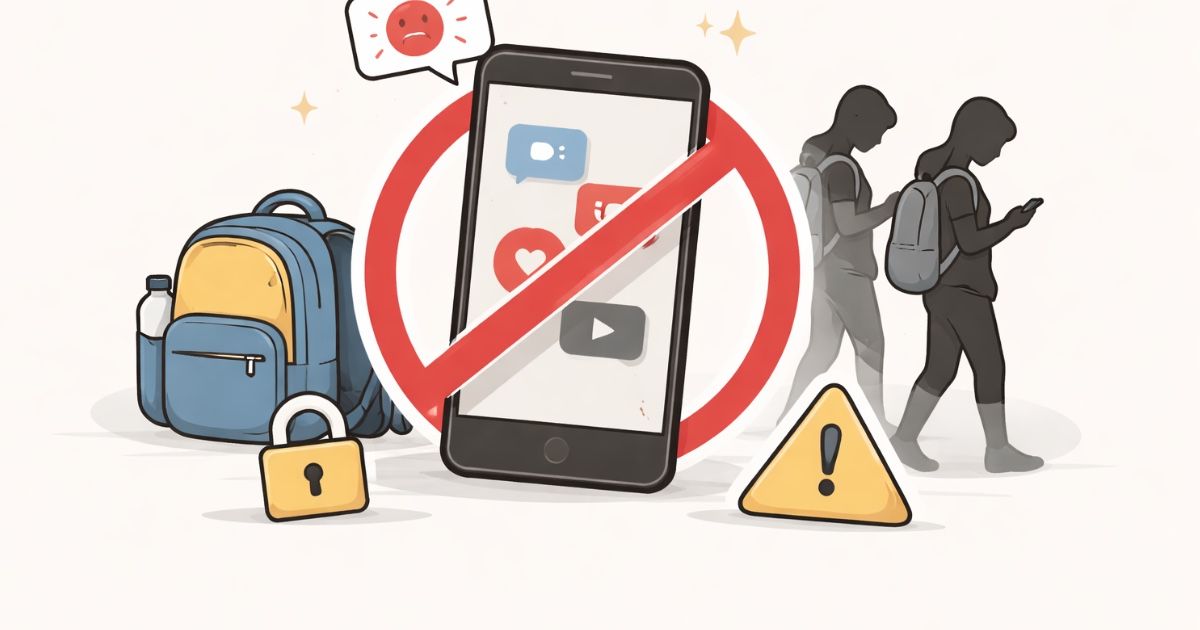
Karnataka Mobile Phone Ban for Under-16s Sparks Major Digital Safety Debate Across India
Why the Proposed Policy on Youth Tech Use Is Trending
A proposal to restrict or ban mobile phone use for children under 16 years in Karnataka has triggered a strong public debate on digital safety, student health, and parental responsibility.
The discussion is still at the proposal stage. No final law has been passed. However, the idea has quickly become a major talking point among parents, teachers, policymakers, and technology experts.
The debate comes at a time when smartphone access among children is rising fast. Concerns about screen addiction, cyberbullying, and exposure to harmful content are also increasing.
As conversations grow around youth tech regulation in India, Karnataka’s proposal could shape future policies across other states.
What Is the Mobile Phone Ban Proposal for Under-16s?
The proposal under discussion focuses on limiting or banning smartphone use by children below 16 years of age.
While details are still being reviewed, discussions reportedly include:
- Restrictions on personal smartphone ownership for minors
- Limits on phone use inside school campuses
- Possible digital safety guidelines for parents
- Awareness campaigns on screen addiction
At present, this is not a law. Authorities are examining the issue and consulting stakeholders.
Any future move would require legal approval and clear policy guidelines.
Why Is Karnataka Considering Youth Tech Restrictions?
1. Rising Screen Time Among Children
Many parents and educators say children are spending several hours daily on smartphones. Online classes during the pandemic increased device use. Even after schools reopened, high screen exposure has continued.
Excessive screen time has been linked to:
- Poor sleep habits
- Reduced physical activity
- Lower attention span
- Eye strain
Health professionals have repeatedly warned that long hours on digital devices can affect young minds.
2. Cyberbullying and Online Safety Concerns
Another major concern is digital safety.
Children are often exposed to:
- Social media pressure
- Online harassment
- Inappropriate content
- Gaming addiction
Parents often struggle to monitor every online activity. Experts argue that stronger regulation or guidance may reduce risk.
3. Academic Performance and Discipline
Teachers have raised concerns that smartphones can distract students from studies.
Many schools in Karnataka already restrict mobile phones on campus. However, enforcement varies. A broader state-level guideline could bring uniform rules.
Is There a Complete Ban Under Consideration?
There is no confirmed complete ban yet.
Public discussions suggest the proposal may focus more on regulation and awareness rather than a strict prohibition.
Possible models under review may include:
- School-level restrictions
- Age-based digital guidelines
- Parental consent frameworks
- Digital literacy programs
Officials have not announced final decisions or timelines.
How Parents in Karnataka Are Reacting
The proposal has divided opinion.
Supporters Say:
- Children need protection from harmful online content
- Early smartphone use increases addiction risk
- Restrictions will improve discipline
Opponents Say:
- Technology is essential for education
- A full ban may not be practical
- Digital skills are necessary for the future
Many parents say balanced use is better than a total ban.
What Do Education Experts Think?
Education specialists say the focus should be on controlled access, not total restriction.
They suggest:
- Teaching digital responsibility from an early age
- Encouraging supervised internet use
- Promoting outdoor activities
- Setting daily screen time limits
Experts argue that banning devices without guidance may not solve the root issue.
National Context: Is India Moving Toward Youth Tech Regulation?
Karnataka’s discussion reflects a broader national concern.
Across India, schools are already implementing stricter phone policies. Some institutions collect phones at the school gate. Others ban smartphones inside classrooms.
However, there is no nationwide law that bans mobile phone use for children under a specific age.
If Karnataka introduces formal regulation, it may become one of the first Indian states to define age-based smartphone rules.
Global Trend: Other Countries Also Reviewing Youth Smartphone Rules
Around the world, several governments are debating similar measures.
Some countries have:
- Banned smartphones in schools
- Restricted social media access for minors
- Introduced parental verification systems
The Karnataka debate aligns with this global push to rethink children’s digital exposure.
Digital Safety vs Digital Freedom: The Core Debate
At the heart of the issue is one key question:
Should governments regulate children’s smartphone use, or should families decide?
Supporters of regulation argue:
- Children lack maturity to manage digital risks
- Government action ensures uniform protection
Opponents argue:
- Parenting decisions should remain private
- Digital skills are essential for modern careers
The debate is not just about phones. It is about how society balances safety with freedom.
Impact on Schools and Students If Approved
If restrictions are implemented, schools may need to:
- Update student handbooks
- Introduce stricter campus checks
- Train teachers on digital awareness
- Provide alternative learning tools
Students may also experience changes in daily routines.
After-school tuition, online homework platforms, and digital classrooms could require clear exemptions if a ban is enforced.
Legal and Practical Challenges
Any policy restricting phone use for under-16s will face challenges:
- Defining enforcement rules
- Monitoring compliance outside school
- Addressing access gaps between rural and urban areas
- Ensuring that educational use remains uninterrupted
Lawmakers must balance child safety with practical realities.
What Happens Next?
As of now:
- No final notification has been issued
- No specific enforcement date has been announced
- Stakeholder discussions are ongoing
Parents and schools are waiting for clarity.
The government may release detailed guidelines after consultations.
Why This Story Matters for Indian Families
Smartphones are now part of everyday life.
Children use them for:
- Online classes
- Homework research
- Social interaction
- Entertainment
Any restriction on youth smartphone use will directly affect lakhs of families.
This is why the proposal is trending and drawing national attention.
What Parents Can Do Right Now
While policy discussions continue, experts suggest practical steps:
- Set daily screen time limits
- Keep devices outside bedrooms at night
- Use parental control features
- Encourage sports and hobbies
- Talk openly about online risks
Responsible usage at home remains the first line of defence.
Conclusion: Karnataka’s Youth Tech Policy Could Set a National Example
The mobile phone ban proposal for under-16s in Karnataka has opened a serious debate on digital safety and child development.
No final decision has been made yet. But the discussion signals a growing concern about how early and how much children should use smartphones.
If implemented carefully, the policy could become a model for other states. If rushed, it may face criticism and practical hurdles.
For now, the conversation continues — and families across India are watching closely.
Key Highlights at a Glance
- Proposal under discussion in Karnataka
- Focus on children below 16 years
- No final law passed yet
- Debate centres on digital safety vs freedom
- Parents and schools divided on the issue
As India moves deeper into the digital age, decisions on youth technology use will shape the next generation.
This developing story is likely to remain in focus in the coming weeks.
Also Read : Exclusive: Vijay Deverakonda and Rashmika Mandanna Confirm ‘Virosh’ Wedding; Fans Everywhere Celebrate Viral Announcement on February 23, 2026.
Add republicpost.in as preferred source on google – Click Here
Last Updated on: Monday, February 23, 2026 2:35 pm by Republic Post Team | Published by: Republic Post Team on Monday, February 23, 2026 2:35 pm | News Categories: News
About Us: Republic Post covers the latest News on Current News, Business, Sports, Tech, Entertainment, Lifestyle, Automobiles, and more, led by Editor-in-Chief Ankur Srivastava. Stay connected on Facebook, Instagram, LinkedIn, X (formerly Twitter), Google News, and Whatsapp Channel.
Disclaimer: At Republic Post, we are committed to providing accurate, reliable, and thoroughly verified information, sourced from trusted media outlets. For more details, please visit our About, Disclaimer, Terms & Conditions, and Privacy Policy. If you have any questions, feedback, or concerns, feel free to contact us through email.
Contact Us: rishidharqitech@gmail.com
About The Author